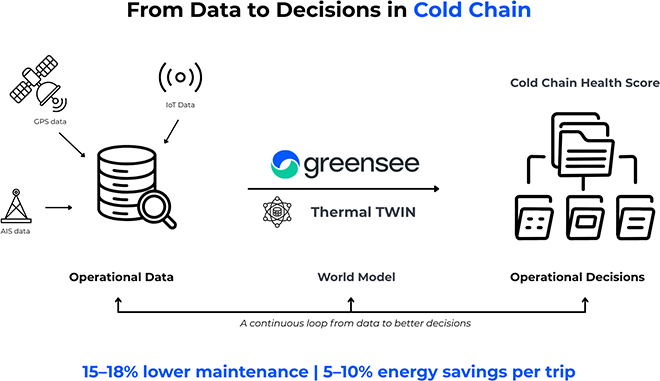
World Models in Cold Chain Logistics
Blog | March 24, 2026
Applying Simulation Across Millions of Reefer Data Points to Improve Temperature Control, Energy Efficiency, and Emissions World models are increasingly discussed as the next...
Read more
Sustainability with impact
Blog | March 24, 2026
Applying Simulation Across Millions of Reefer Data Points to Improve Temperature Control, Energy Efficiency, and Emissions World models are increasingly discussed as the next...
Read more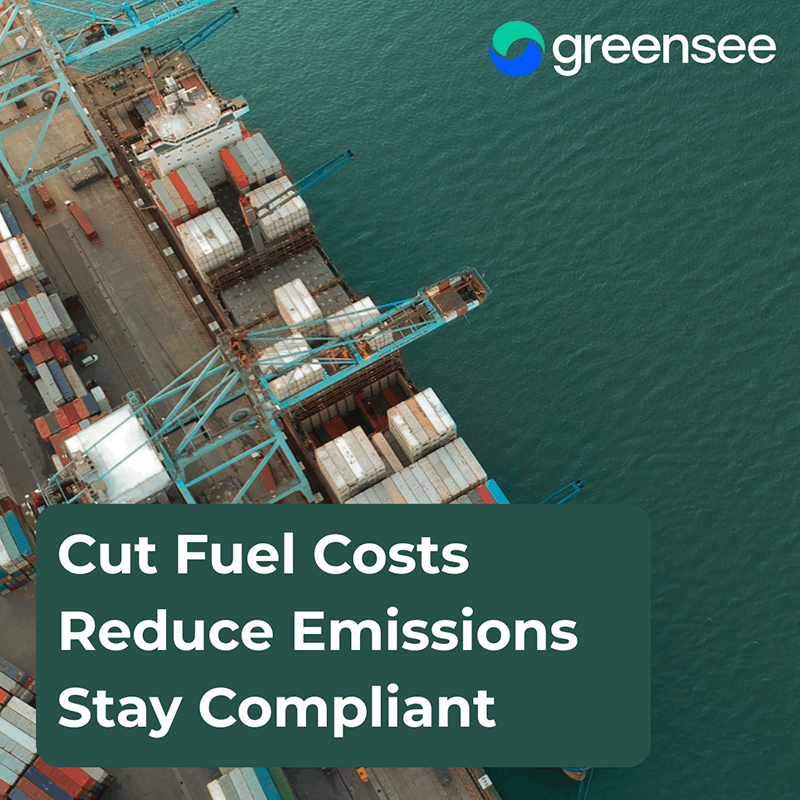
Blog | February 10, 2026
Within the maritime industry, the decarbonisation narrative is predominantly centred on alternative fuels. Methanol engines, LNG dual-fuel vessels, ammonia readiness and onboard carbon capture...
Read more
Blog | February 3, 2026
Hidden fuel waste, inefficient cycles, and repairs that don’t always fix the problem Refrigerated transport is usually assessed through distance, fuel type, and regulatory...
Read more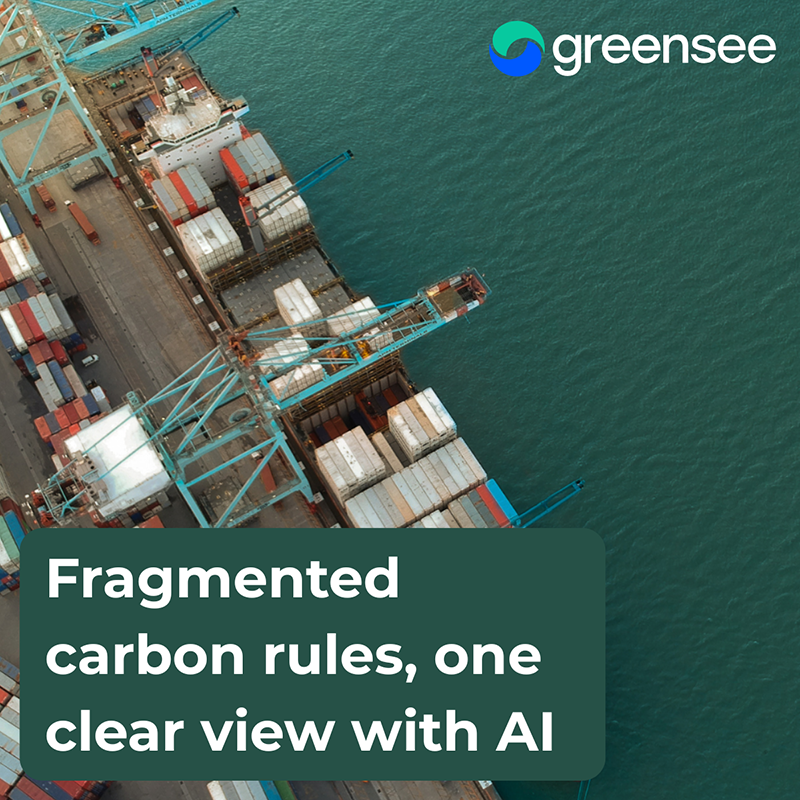
Blog | December 4, 2025
Global rules for shipping decarbonisation are moving slower than the politics around them. While the IMO’s long-term net-zero pathway is still being shaped, regional...
Read more
Blog | November 12, 2025
Energy efficiency is becoming one of the strongest drivers of transformation in global logistics. At COP30, this idea took the spotlight as BlueRoutes by...
Read more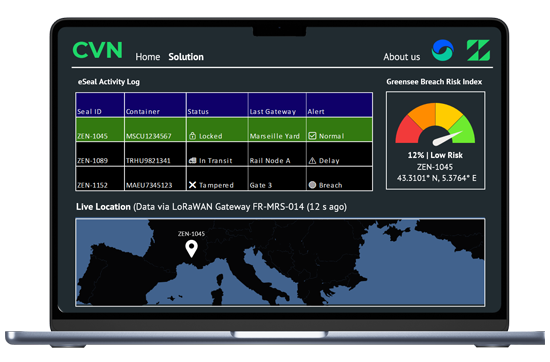
Blog | October 21, 2025
Barcelona, October 2025 — At Intermodal Europe 2025, Greensee and Zenze unveiled a partnership that connects physical shipment security with real-time digital intelligence. The...
Read more
Blog | August 19, 2025
As the logistics industry accelerates towards net-zero goals, inland transport remains a key missing link. Most emissions-reduction strategies focus on ocean freight, but without...
Read more
Blog | July 8, 2025
Artificial intelligence is redefining the way we manage global logistics. It predicts delays, flags ineffi ciencies, and helps optimise routes in real time. However,...
Read more